
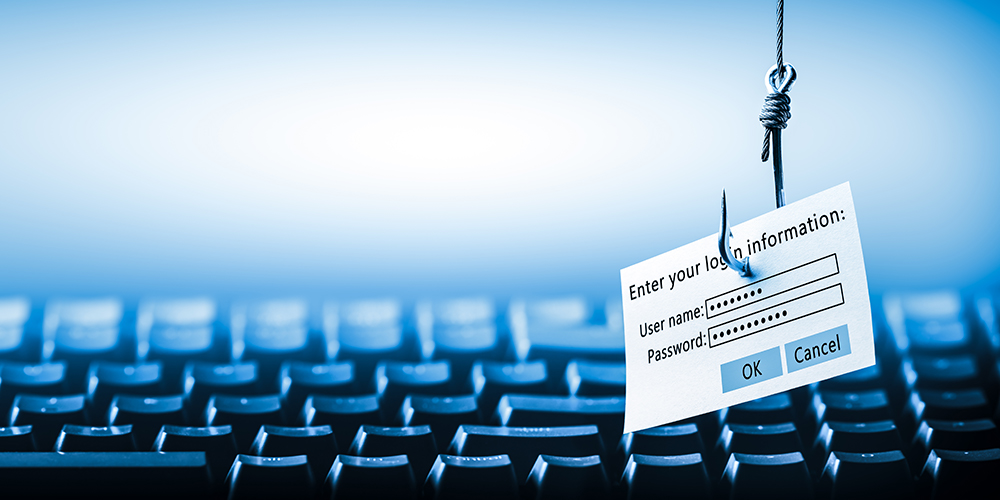
Social engineering remains one of the most persistent cybersecurity threats facing small and midsize businesses. Instead of breaking through firewalls or exploiting software vulnerabilities, attackers target the weakest link in any security strategy—human behavior. Phishing and its related tactics continue to rise, making it essential for organizations to understand how these schemes work and how to defend against them.
Phishing and Why It’s So Dangerous
Phishing is a form of social engineering designed to trick users into revealing sensitive information, downloading malware, or granting unauthorized access to business systems. Attackers often impersonate trusted organizations, vendors, or even internal staff to create a false sense of urgency or legitimacy.
While email is the most common delivery method, phishing has evolved into multiple variants:
- Vishing – voice phishing via phone calls
- Smishing – phishing via SMS or messaging apps
- Social media phishing – fraudulent messages or posts designed to harvest credentials or spread malware
Regardless of the channel, the goal is the same: steal data, compromise accounts, or infiltrate your network. A successful attack can lead to identity theft, ransomware infections, financial loss, and long-term damage to your reputation.
How to Recognize a Phishing Attempt
Phishing messages often look convincing, especially as attackers use AI tools to craft more polished and personalized content. Still, there are reliable warning signs employees should watch for:
- Unsolicited messages requesting immediate action
- Urgent or threatening language, such as “Your account will be closed”
- Requests for passwords, payment details, or sensitive data
- Unexpected attachments or links
- Generic greetings instead of personalized details
- Branding inconsistencies, such as distorted logos or unusual email domains
If something feels “off,” it probably is. Employees should be encouraged to pause, verify, and report suspicious messages rather than respond impulsively.
Protecting Yourself from Social Engineering
Technology plays an important role in blocking malicious emails and preventing ransomware, but employee awareness is one of the most effective defenses. Consider implementing:
- Regular cybersecurity awareness training
- Simulated phishing exercises to reinforce best practices
- Clear reporting procedures for suspicious messages
- Multi-factor authentication (MFA) to reduce account takeover risk
- Verification protocols, such as contacting the sender through a separate channel
Cybersecurity threats continue to evolve, and social engineering remains a top concern for businesses of all sizes. Now is the ideal time to review your security policies, update your response plan, and strengthen your defenses. For guidance tailored to your organization, contact your trusted technology advisor today.
Recent Comments